top of page
Mountains

iRest® : Your Top Questions Answered

Q: What kind of equipment do I need?

Very little. A quiet space and a soft surface (yoga mat, blanket, or chair) are sufficient. Props like a cushion, bolster, or meditation bench can enhance comfort, and headphones help you focus, but none of these are mandatory
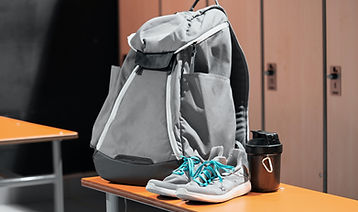
Bright gym locker room with a row of metal lockers and a wooden bench; a gray backpack and clear reusable water bottle sit on the bench while a pair of worn running shoes rest beneath it, illustrating minimal equipment and everyday items needed to practice iRest meditation, relaxation, or guided Yoga Nidra.

Q: I have chronic pain—how can I do the exercises?

iRest® includes specific meditations for chronic pain that teach you to welcome and explore sensations rather than resist them. Through practices focused on “inner resource” development, gentle body-and-breath awareness, and mindful inquiry, many people find significant relief. You can do these exercises lying down, seated, or standing, with cushions or benches for support, adapting each step to your comfort level
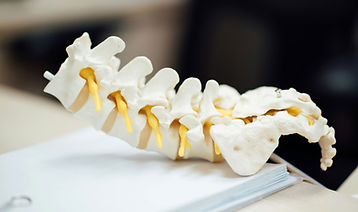
Medical-style image of a human spine highlighted at the lumbar region, illustrating chronic back pain and adaptations for iRest meditation and gentle movement.

Q: I could just buy a book—why work with an instructor?

A certified instructor personalizes the practice to your needs (especially important if you’ve experienced trauma or chronic pain), ensures you follow the protocol safely, offers live feedback, and creates community support and accountability. These factors consistently accelerate progress and deepen the quality of your experience—beyond what solo study alone can deliver.

A certified instructor personalizes the practice to your needs (especially important if you’ve experienced trauma or chronic pain), ensures you follow the protocol safely, offers live feedback, and creates community support and accountability. These factors consistently accelerate progress and deepen the quality of your experience—beyond what solo study alone can deliver.” Photo shows an Asian man in fitted workout gear holding a plank on his elbows while focused on a laptop on the floor in a bright, minimalist studio; the scene visually reinforces instructor-led iRest® coaching, real-time guidance, modifications for pain or trauma, and the supportive learning environment that boosts results.

Richard C. Miller, Ph.D 

Clinical Psychologist, Author, Researcher & Yogic Scholar; Founder of the Integrative Restoration Institute (IRI) and Creator of iRest®.

Richard C. Miller, PhD — iRest Founder Explains Recovery and Finding Yourself

Q: I’m not in good physical shape—can I still practice iRest®?

Yes. iRest® is entirely adaptable to your comfort and doesn’t demand physical exertion. You simply follow guided audio prompts while lying on a mat, seated in a chair, or even reclined in bed—whatever feels safest and easiest for your body
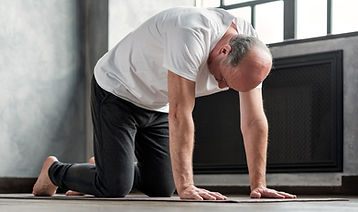
Image shows an older man in a Kundalini Yoga Stretch Pose on a yoga mat inside a bright studio; he uses a gentle, supported variation with knees slightly bent, relaxed breath, and focused gaze, illustrating that iRest meditation and trauma-informed Yoga Nidra practices are accessible, adaptable for seniors, beginners, and people with limited mobility.

Q: I’ve tried self-help before, what makes iRest® different?

iRest® combines ancient Yoga Nidra with modern psychology and neuroscience in a structured, 10-step protocol. It’s backed by clinical research showing benefits for PTSD, sleep disorders, depression, anxiety, and chronic pain. This is a trauma-informed practice, and it guides you safely through body-scanning, breath-work, and emotional inquiry to dissolve self-destructive patterns and build resilience.

Photo shows a larger Black female in fitted yoga attire seated cross-legged on a yoga mat in a sunlit, clean studio; she looks calm and grounded, hands resting on her knees, with soft natural light and minimal props in the background, illustrating iRest® as an accessible, evidence-informed, trauma-sensitive meditation practice that supports self-discovery, resilience, and inclusive wellness for diverse bodies and experience levels.

Q: Is iRest® just another meditation fad with no real benefits?

It’s a trauma-informed, 10-step protocol backed by clinical trials showing lasting drops in PTSD, anxiety, depression, sleep disturbances, and chronic pain. Certified instructors tailor each session to your needs, so you practice safely and effectively. It also delivers deep relaxation and inner peace, builds emotional resilience and self-regulation, and enhances focus and self-awareness. Want to try a quick 5-minute demo to experience it yourself?”

It’s a trauma-informed, 10-step protocol backed by clinical trials showing lasting drops in PTSD, anxiety, depression, sleep disturbances, and chronic pain. Certified instructors tailor each session to your needs, so you practice safely and effectively. It also delivers deep relaxation and inner peace, builds emotional resilience and self-regulation, and enhances focus and self-awareness. Want to try a quick 5-minute demo to experience it yourself?” Photo shows a professional woman in a green-and-white striped long-sleeve dress shirt drinking coffee and looking at a laptop in a bright, tidy work environment; the scene conveys evidence-based iRest® meditation, clinician-led instruction, accessibility for busy professionals, and an invitation to a short demo for stress reduction, sleep improvement, and trauma-informed recovery.
Square clickable badge for the iRest Institute linking to research and blog resources about iRest effectiveness; features the institute logo and the text Research & Blogs, presented as a prominent square icon that directs users to clinical studies, evidence summaries, practitioner articles, and resources on iRest for PTSD, anxiety, sleep disturbance, chronic pain, and trauma-informed meditation.
bottom of page